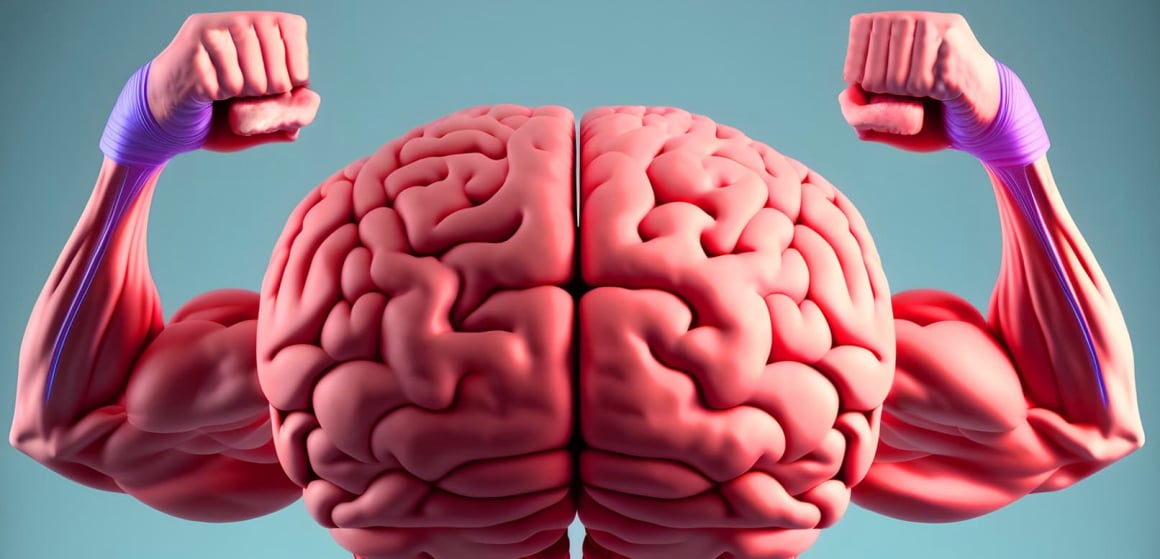
The Mind as Muscle: Building Mental Toughness for Competition
Physical training prepares the body for competition, but victory is often secured long before the starting whistle, in the quiet arena of the mind. Mental toughness—the ability to consistently perform toward the upper range of your talent and skill regardless of competitive circumstances—is not an innate trait but a trainable skill, much like strength or endurance. It is the mental muscle that allows you to withstand pressure, manage adversity, and maintain focus.
The foundation of mental toughness is self-awareness. This involves recognizing your personal stress triggers, emotional responses to setbacks, and the content of your internal dialogue. Athletes who cultivate this awareness can identify when doubt or anxiety is creeping in and intervene before it derails performance. Journaling or deliberate reflection after training sessions can sharpen this skill, helping you understand your psychological patterns.
One of the most potent tools for building this resilience is systematic visualization. This goes beyond merely "thinking positive." It involves vividly and repeatedly rehearsing your performance in your mind, engaging all your senses. Imagine the sounds of the environment, the feel of your equipment, and, crucially, the execution of skills under pressure. This neural practice strengthens the same brain pathways used during physical execution, building confidence and programming a blueprint for success.
Developing a pre-performance routine is another keystone habit. This consistent sequence of actions—whether it's a specific warm-up, breathing exercises, or a focus cue—creates a psychological anchor. It signals to your brain that it's time to shift into a state of controlled readiness, helping to crowd out distractions and anxiety. The routine provides a sense of control and familiarity in the unpredictable environment of competition.
Finally, mental toughness is forged in how you reframe challenges. Viewing pre-competition nerves as excitement and readiness, interpreting a mistake as a single data point rather than a total failure, and seeing a tough opponent as an opportunity to rise to a new level are all examples of cognitive reframing. This resilient mindset allows you to stay process-oriented, focusing on the next play, the next step, rather than being overwhelmed by the outcome.
By dedicating time to training your mind with the same consistency as your body, you develop an unshakeable internal foundation. This mental fortitude ensures that when physical skills are tested, your focus, confidence, and composure are not liabilities, but your greatest competitive assets.